
Tyler Decker
PUBLISHED SLEEP HEALTH WRITER | PAP PATIENT EXPERIENCE | DME WORKFLOW
INDEPENDENT PAP CONSULTANT · FORMER DME CPAP SPECIALIST
I write about the parts of PAP therapy that happen after the prescription is written: mask fitting, patient education, troubleshooting, adaptation, and the systems that influence whether patients succeed with treatment.
About
My hands-on work with PAP patients made me increasingly interested in why some support processes work better than others. Today, I apply that perspective to consulting and published writing focused on patient experience, PAP care delivery, and the systems surrounding long-term treatment success.VIEW MY EXPERIENCE →
HOW I HELP PAP PROGRAMS

WORKFLOW
REVIEW
An outside look at setup, follow-up, troubleshooting, handoffs, and the points where patient support or staff workflow may be breaking down.

PATIENT-SUPPORT
STRATEGY
Review of how patients are followed, how barriers are identified, and whether support responds to the patient instead of just the compliance metric.
SETUP &
EDUCATION PROCESS
Review of how PAP is introduced, how expectations are set, and whether patients leave prepared for the problems most likely to affect use at home.
LATEST PUBLISHED WORK
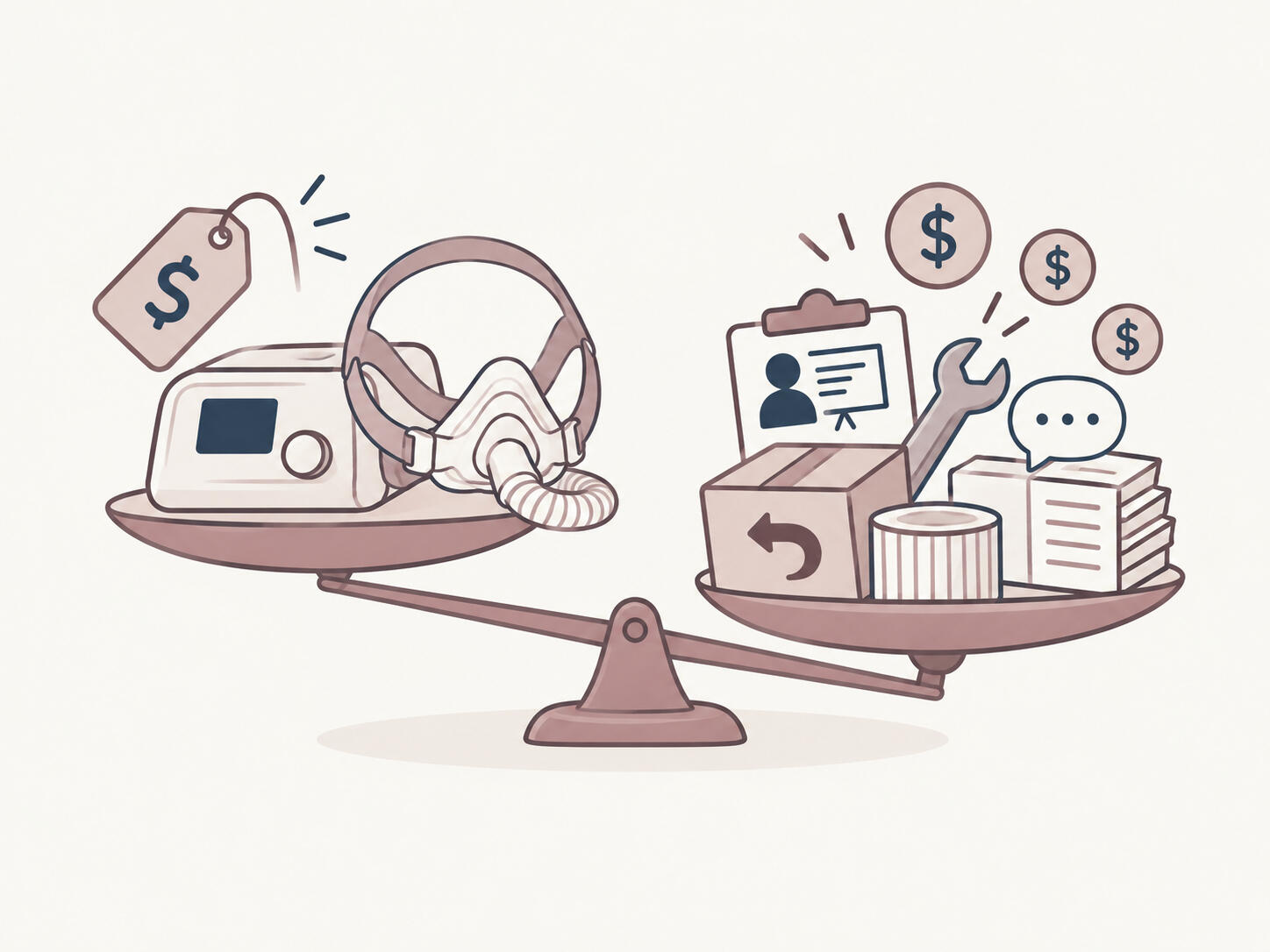
When a Lower-Cost CPAP Costs More Than Expected
Switching equipment can lower a DME’s purchasing costs, but changes in staff time, troubleshooting, adherence, returns, and resupply may alter the math.
Sleep Review · October 2026READ THE ARTICLE →
View all published work →
HAVE A PAP CARE OR WORKFLOW PROBLEM WORTH LOOKING AT FROM THE OUTSIDE?
If a PAP workflow, patient-support process, or care problem could benefit from an outside perspective, I’m available to talk.
Published Work
Selected writing on PAP therapy, patient experience, adherence, mask fitting, troubleshooting, and PAP care delivery.
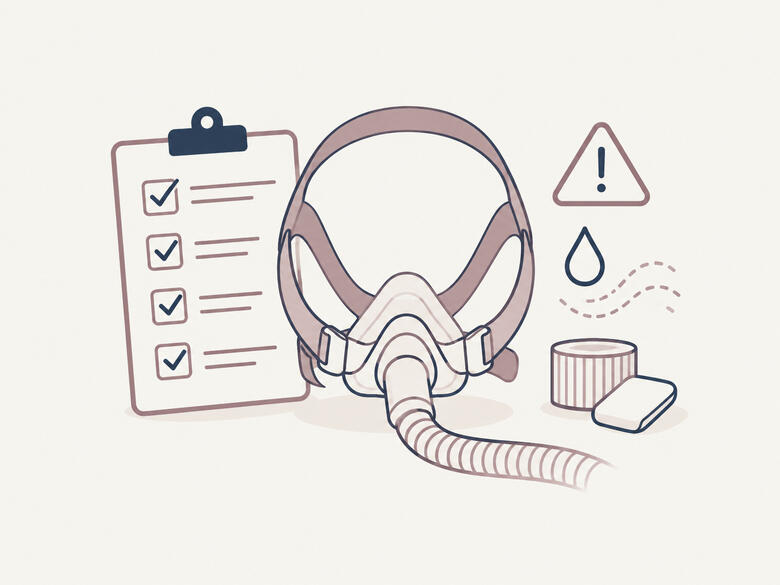
Prepare CPAP Users for Problems, Not Perfection
Why PAP education should prepare patients for predictable problems instead of assuming everything will go smoothly once they leave the setup appointment.
Sleep Review • August 2026
Editor’s Pick
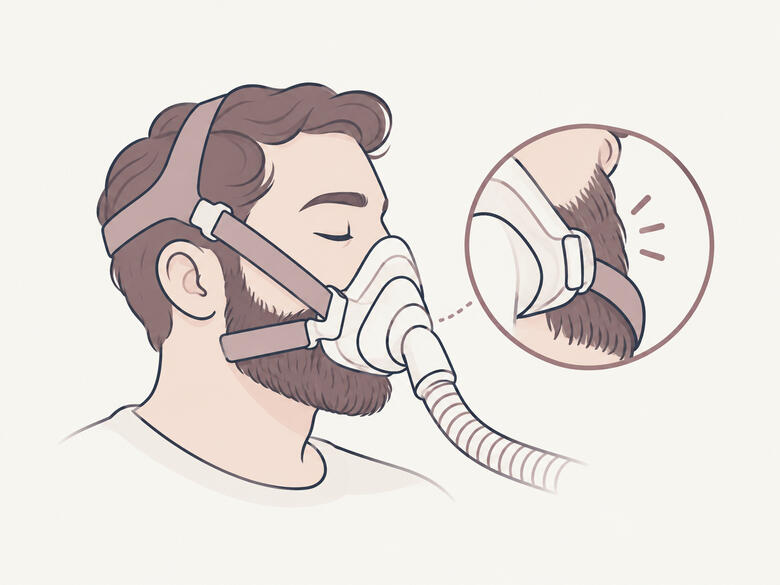
The Beard Is Staying. The CPAP Mask Still Has to Fit.
A practical look at facial hair and CPAP mask fitting, including why shaving should not automatically be treated as the solution.
Sleep Review • September 2026
Editor’s Pick
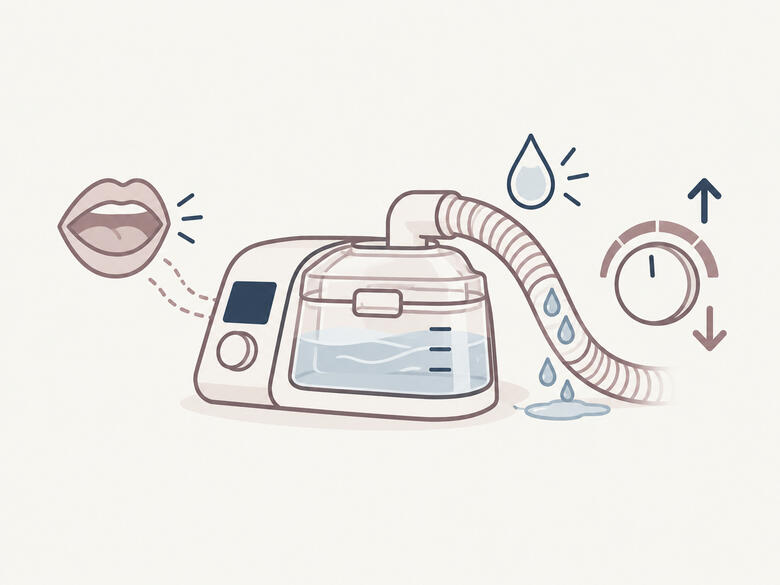
When to Turn Up CPAP Humidity—and When Not To
How to distinguish problems that actually call for humidity changes from dry mouth, leak, condensation, and other issues that can look similar.
Sleep Review • September 2026
Editor’s Pick
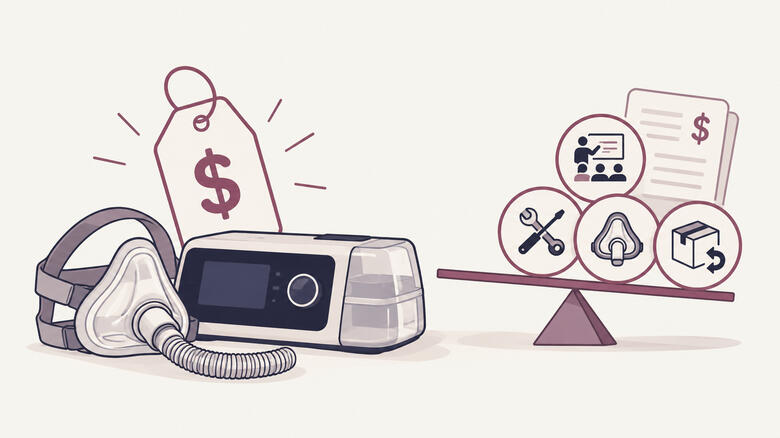
When a Lower-Cost CPAP Costs More Than Expected
Switching equipment can lower a DME’s purchasing costs, but changes in staff time, troubleshooting, adherence, returns, and resupply may alter the math.
Sleep Review • October 2026
Editor’s Pick
A Framework for PAP Success
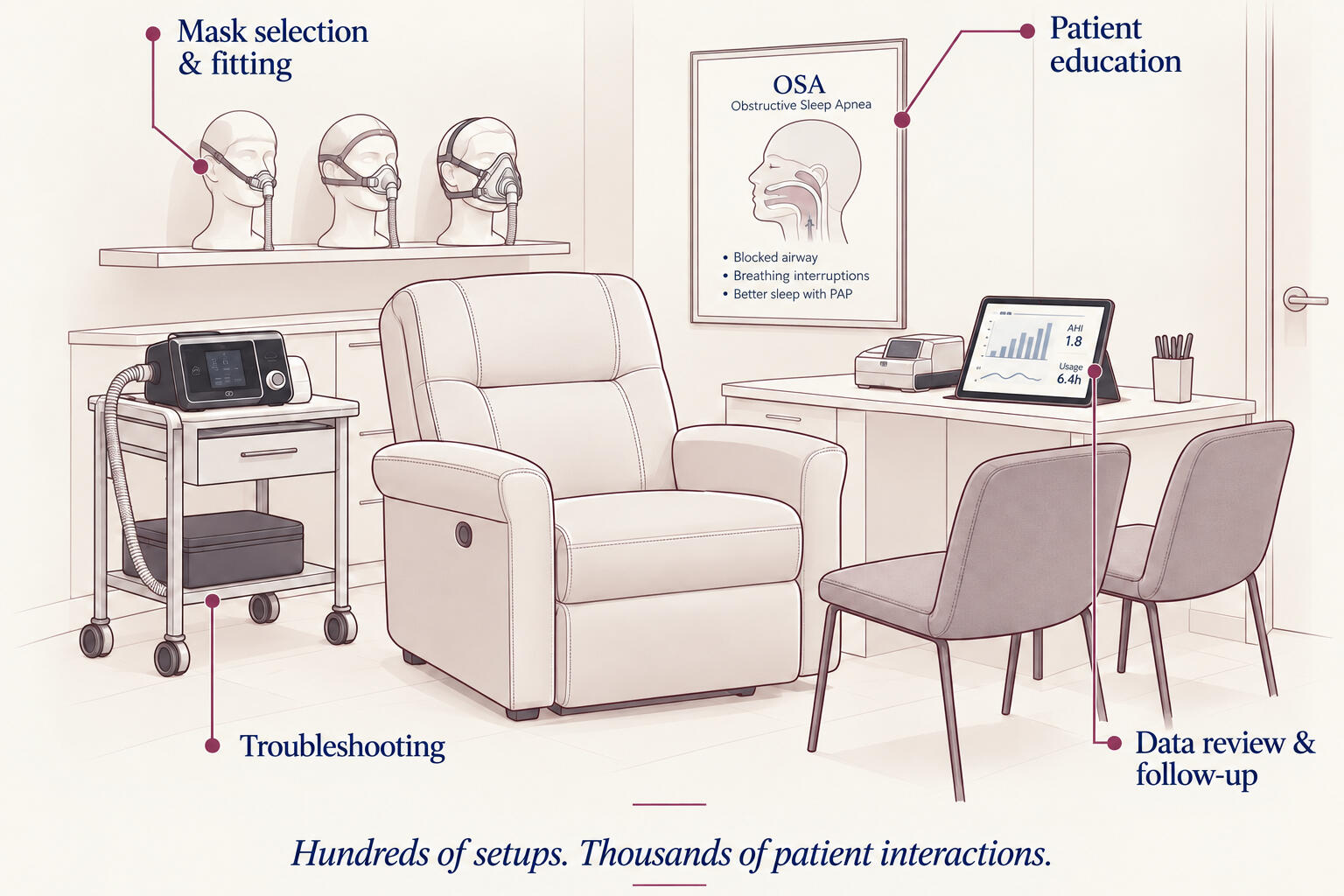
Successful PAP therapy is not created by a machine handoff. My approach grew out of hundreds of PAP setups and thousands of patient interactions: start with the patient, prepare for predictable problems, follow up early, and use data in context. The goal is not simply to get someone through an insurance compliance window. It is to make therapy workable enough to last.

The process is simple. The work is figuring out what is actually getting in the patient’s way.
START WITH THE PATIENT
Setup sets the tone. Mask selection should reflect the person in front of you, not a one-size-fits-all routine. Fit, comfort, congestion, mouth leak, sleep position, dexterity, and patient preference can all affect whether an interface works once the patient gets home. Education should also prepare patients for predictable problems so those problems do not automatically feel like therapy failure.
FOLLOW UP BEFORE FRUSTRATION BUILDS
The first few nights often reveal what the setup appointment cannot. Early follow-up creates a chance to catch leak, dryness, pressure discomfort, congestion, mask movement, or confusion while the problem is still fixable. Device data helps, but usage, leak, residual events, and pressure behavior only become useful when they are paired with what the patient is actually experiencing.
FIX THE BARRIER, THEN CHECK THE RESULT
Low use is a result, not an explanation. Once the barrier is clear, the response should address that specific problem and leave the patient with a clear next step. Then reassess. If the change did not solve the problem, the work is not finished.
COMPLIANCE IS NOT THE FINISH LINE
Meeting an insurance adherence requirement matters, but it does not automatically mean therapy is comfortable, effective, or sustainable. The larger goal is long-term use that the patient can realistically maintain.
PAP CARE SHOULD BE BUILT AROUND WHAT HAPPENS AFTER SETUP.
I work with PAP programs on setup, follow-up, troubleshooting, and patient-support workflows designed around long-term success.
WHAT HUNDREDS OF PAP SETUPS TAUGHT ME
My perspective on PAP care was built in the DME setting, working directly with patients through setup, mask fitting, education, troubleshooting, follow-up, and therapy data review. Over time, the job became less about handing someone a machine and more about understanding what actually determined whether they could live with therapy.
THE WORK BEHIND THE EXPERIENCE

SETUP &
MASK FITTING
I spent substantial time with patients at setup rather than treating it as a quick equipment handoff. That included interface selection and fitting, device education, humidification, expectations, and preparing patients for common problems that could appear once they started sleeping with PAP at home.

PATIENTEDUCATION &
PREPARATION
Clear, practical education mattered. I focused on what patients should expect, how common problems could show up, what they could address themselves, and when they needed additional help. The goal was for patients to leave setup understanding more than which button turned the machine on.

TROUBLESHOOTING &
FOLLOW-UP
Much of the useful work happened after setup. Mask leak, dryness, congestion, pressure discomfort, machine problems, and other issues often became obvious only after a patient had spent several nights actually using therapy. Follow-up created an opportunity to identify the real barrier while it was still fixable.
DATA REVIEW &
ONGOING SUPPORT
I reviewed usage, leak, residual events, and pressure data to guide outreach and troubleshooting. The numbers were useful, but they rarely told the whole story on their own. Pairing the download with what the patient was actually experiencing helped clarify the problem and determine what needed attention next.

FROM PATIENT CARE TO PAP CARE DELIVERY
A BROADER FOCUS ON PAP CARE
After leaving DME work, I began writing and consulting around many of the same problems I had seen repeatedly with patients: how PAP is introduced, how problems are identified, how support is delivered, and what happens after someone technically meets an adherence requirement. My work now focuses on improving those parts of the patient experience and the workflows behind them.